Thursday afternoons was my scheduled time as a volunteer to visit at the local nursing home. I was usually alone with Virginia, who was bedridden, for several hours. We started the time with structured activities: reading letters from her relatives, sharing a passage from the Bible, or Virginia listening to my dramatic interpretations of magazine articles. Then, we drifted into conversation. A lot of memories, life experiences, regrets, trips taken over the years, and relationships that have been meaningful. As I practiced the ministry of presence by listening to Virginia, her life stories formed a picture of a woman who had lived almost a century with all the changes that occurred. Yet, she held a steady grip on her cognitive abilities. A lot to reflect upon.
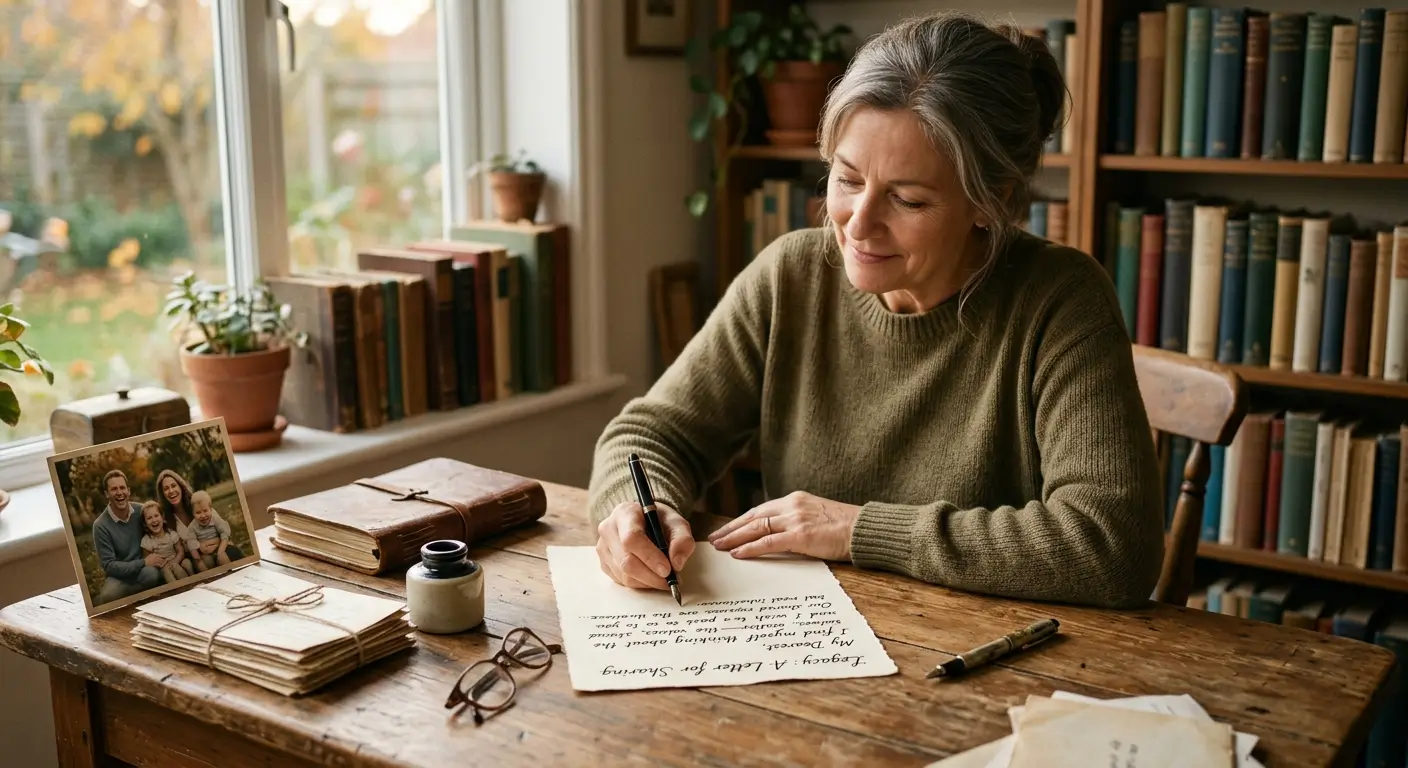
The concept of legacy letters was new to me. But Virginia seemed to be the perfect person to test my writing skills. The legacy letter is not a will to leave wealth to relatives. It is not an obituary highlighting achievement and genealogy. It is a written statement that allows a person to share their life lessons, express their values and then conclude with a bit of advice or blessing for the future generations. These letters appeal to people approaching the end of life who want to leave a meaningful statement behind.
There are two questions that one needs to ask before approaching a person and asking if they would like a legacy letter. One consideration is the ability of the person to reflect on their life with positivity, and not with regrets or pain. The other concerned the ability to verbalize details from their memories. Virginia met the criteria on both counts.
I told her of my plan and her eyes sparkled with interest. Leaving her that afternoon, I invited Virginia to reflect on significant memories, times when God intervened in her life, and meaningful relationships. Her smile signaled a spark had been ignited in her remembrances.
The following two Thursdays were devoted to interviewing. Her happiest memories. Hardest moments. An important decision that affected her life. Best thing that ever happened as well as the worst. Lessons learned that need to be transmitted to the next generation. My notepad filled with sketches of a woman’s journey of 99 years. Virginia would note, “There are things that I want to share and never had a chance to say.”
The scribbled notes were put on sticky notes, then placed in a logical order. Some stories centered on Virginia’s values and what she really believed. Another group named people who had enriched her life and needed to be thanked for their efforts. The most challenging notes were the people that needed reconciliation. Using my judgment, I phrased Virginia’s words in a way that reunion was possible. Virginia would have the final say to the legacy letter.
Virginia had formed a closing blessing for her relatives, so that was added. Would she approve of the project. Her life had been condensed into one full sheet of 250 words. There is no set number of pages for a person’s legacy. Everyone is different. She was pleased with the results and as a private person, it told the story she was open to sharing.
Fortunately, this legacy letter was completed just before her 99th birthday. The two women who visited the nursing home with me sent out invitations to everyone we knew who might want to celebrate. The legacy letter was printed, rolled and tied together with a colorful ribbon. Those attending the birthday party enjoyed taking home Virginia’s testimony to a life well lived. The nursing staff stopped by one by one and requested a copy, which we were happy to supply. The daylong event exhausted Virginia, but she maintained a sincere smile through it all.
As a chaplain, my training emphasized the ministry of presence. Show up and listen. Speak only if it is edifying. While attending to Virginia’s stories and memories of the past I learned many lessons. She reminded me that time is short and the years fly by so fast that each moment needs to be embraced. Ther power of connection with people over the span of a lifetime was evident. The importance of meaning and purpose to life rather than material gain rubbed off into my own value system. Virginia taught me that love never dies even after the physical body of a loved one is gone.
“We will not hide them from their descendants; we will tell the next generation the praiseworthy deeds of the Lord, His power, and the wonders He has done.” Psalm 78:4
My main resource for learning to write a legacy letter was Jay Sherwin, Founder of Life Reflections Project in Portland, Maine. jay@jaysherwin.com. Let me invite you to try composing a page or two defining someone you care for. There are no set rules. Just listening to the heartbeat of a person’s life story.
For those who are reluctant to write, Letitia Suk has written a book: A Legacy of Days: Ten Fun Ways to Tell Your Story to the Next Generation. Loaded with crafty and practical ways to commemorate a person’s life.
A copy of Virginia’s legacy letter is printed in the appendix of Ministry In A Room, by Cleo Lampos, Carla Dusek and Blanca Repetto.